- Optimal weather: minimal rainfall and comfortable temperatures.
- Great for diving and snorkeling, with clear visibility.
- Wildlife activity peaks, particularly for Komodo dragons.
Understanding the Seasons in Komodo
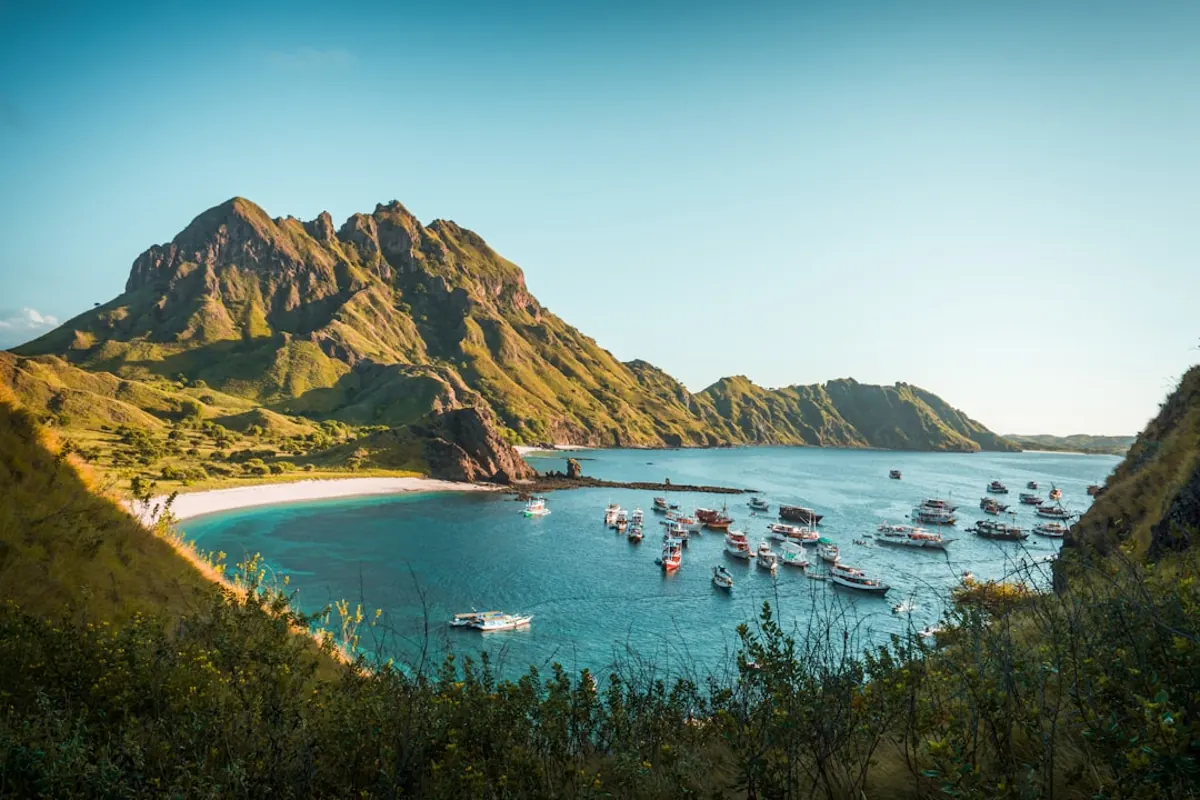
Komodo National Park experiences two distinct seasons: the dry season and the rainy season. The dry season generally spans from April to December, while the rainy season occurs from January to March. Each season offers unique advantages and disadvantages for travelers, making it essential to understand these differences when planning your visit.
Dry Season: April to December
The dry season is characterized by minimal rainfall, lower humidity, and pleasant temperatures ranging from 24°C to 32°C (75°F to 90°F). This period is particularly popular among tourists, as the weather conditions are perfect for various outdoor activities such as diving, snorkeling, and trekking.
– **Diving and Snorkeling:** Visibility underwater is at its best during the dry season, often exceeding 30 meters (98 feet). This clarity allows divers and snorkelers to fully appreciate the vibrant marine life, including manta rays, turtles, and colorful coral reefs.
– **Wildlife Watching:** The dry months are also the ideal time for spotting Komodo dragons on Rinca and Komodo islands. These reptiles are more active during this period, and guided tours provide an excellent opportunity to observe them in their natural habitat.
– **Hiking Opportunities:** Trekking on Padar Island or through other scenic trails is much more enjoyable in dry conditions. The clear skies provide striking views of the surrounding islands and landscapes.
Rainy Season: January to March
The rainy season in Komodo brings increased moisture and occasional downpours, with temperatures remaining similar to the dry season. This period tends to see fewer tourists, which can be appealing for those seeking a more tranquil experience.
– **Less Crowded:** With fewer visitors, accommodations and tours may be more readily available, and you might find better deals on liveaboards and boat trips.
– **Flora and Fauna:** The landscape becomes lush and vibrant during the rainy months. Some wildlife, including birds and reptiles, may be more visible, providing unique opportunities for nature enthusiasts.
– **Limited Activities:** However, it’s important to note that some activities may be limited due to weather conditions. Rough seas can affect boat trips, and visibility for diving may not be as clear as during the dry season.
Pricing and Availability
The cost of a trip to Komodo varies significantly depending on the season. During the dry season, prices for accommodations, tours, and liveaboards tend to be higher due to increased demand.
– **Accommodations:** Expect to pay between $20 to $300 per night, depending on the type of lodging. Budget options include hostels and guesthouses, while luxury resorts can reach upwards of $300 per night.
– **Tours and Liveaboards:** Day tours range from $40 to $150 per person, while liveaboard packages can vary from $300 to over $1,000 for multi-day trips. The best deals are often found during the rainy season when operators seek to increase occupancy.
– **Diving and Snorkeling:** Dive trips usually cost between $50 to $150 per dive, depending on the dive shop and the package chosen.
Special Events and Considerations
Timing your visit to coincide with special events can enhance your experience in Komodo National Park.
– **Komodo Dragon Nesting:** From late January to March, you may witness the nesting behavior of Komodo dragons, offering a unique perspective on their life cycle.
– **Local Festivals:** The region also celebrates various local festivals throughout the year, such as the Flores Festival in June, showcasing the rich culture of the area.
– **Weather Preparedness:** If traveling during the rainy season, prepare for sudden downpours and pack accordingly. A good waterproof jacket and quick-drying clothing are advisable.
Travel Tips for Visiting Komodo
To make the most out of your trip to Komodo, consider the following tips:
– **Book in Advance:** Particularly during the dry season, booking accommodations and tours in advance ensures availability and better prices.
– **Stay Hydrated:** The tropical climate can be humid, so stay hydrated, especially during outdoor activities.
– **Respect Nature:** When trekking or diving, always follow local guidelines and respect wildlife. Avoid littering and adhere to safety instructions provided by guides.
Optimal Seasons for Visiting Komodo
For those seeking outdoor adventures and wildlife encounters, aim for the dry season from April to December. This period offers ideal conditions for diving and exploring. Conversely, if you prefer quieter trails and lush, vibrant scenery, consider visiting during the rainy season from January to March. To tailor your trip, compare packages that suit your interests and needs.
Need help organizing your journey? Refer to the Komodo Itinerary or check availability for more details.