Blog

  • Komodo weather by month

    Komodo weather varies throughout the year, influencing the best times for visiting the national park. Understanding monthly weather conditions can enhance your adventure planning.
    • Dry season runs from April to December.
    • Rainy season is from January to March.
    • Average temperatures range from 25°C to 35°C (77°F to 95°F).

    Overview of Komodo Weather

    Komodo National Park, encompassing the islands of Komodo, Rinca, Padar, and surrounding waters, experiences distinct weather patterns that can significantly affect your visit. The park is located in the tropical region of Indonesia, which means it primarily has a wet and dry season. This guide will break down the weather conditions by month, helping you choose the optimal time for your trip.

    January

    January is part of the rainy season in Komodo. Expect frequent rain showers, especially in the afternoon, with average temperatures ranging from 25°C to 30°C (77°F to 86°F). Humidity is high, making the air feel warmer.

    • Rainfall: 150-200 mm
    • Best activities: Indoor explorations and cultural visits in Labuan Bajo.
    • Less crowded tourist spots.

    February

    February continues the trend of wet weather. Rainfall remains high, and conditions can be humid. However, the rain usually comes in short bursts, leaving time for outdoor activities in between.

    • Rainfall: 150-200 mm
    • Best activities: Snorkeling near coral reefs, as water clarity improves.
    • Wildlife spotting, particularly during drier afternoons.

    March

    March marks the transition period from the rainy season to the dry season. Rainfall begins to decrease, and you can expect more sunny days. Temperatures start to rise, making it a good time for outdoor adventures.

    • Rainfall: 100-150 mm
    • Best activities: Trekking on Rinca Island to see Komodo dragons.
    • Increasing tourist traffic as dry season approaches.

    April

    April signals the start of the dry season, with significantly reduced rainfall and clearer skies. Temperatures can reach up to 35°C (95°F), so staying hydrated is crucial.

    • Rainfall: 50-100 mm
    • Best activities: Diving and snorkeling, especially around Padar Island.
    • Ideal for trekking on Komodo Island.

    May

    May is one of the best months to visit. The weather is warm and mostly dry, providing excellent conditions for outdoor activities. Visibility for diving is also at its peak.

    • Rainfall: 30-50 mm
    • Best activities: Scuba diving trips to experience diverse marine life.
    • Less crowded compared to peak months.

    June

    June continues the dry season, with warm temperatures and minimal rainfall. This month is ideal for water sports and exploring the islands.

    • Rainfall: 10-30 mm
    • Best activities: Island hopping between Padar, Rinca, and Komodo.
    • Wildlife sightings are still abundant.

    July

    July is a peak tourist season in Komodo National Park due to favorable weather. Expect warm days and cool evenings, ideal for both diving and hiking.

    • Rainfall: 5-20 mm
    • Best activities: Evening boat tours for sunset views.
    • Book in advance for accommodations and tours.

    August

    August remains a busy month, with dry and sunny weather continuing. It’s perfect for outdoor activities, but be prepared for crowds, especially in popular areas.

    • Rainfall: 5-20 mm
    • Best activities: Diving and snorkeling in crystal-clear waters.
    • Wildlife spotting, especially the Komodo dragons.

    September

    September is a fantastic month to visit, with warm temperatures and minimal rain. The tourist crowd begins to thin out as schools resume in many countries.

    • Rainfall: 10-30 mm
    • Best activities: Photography of the landscapes and wildlife.
    • Ideal for trekking and boat tours without the peak season rush.

    October

    October marks the end of the dry season. The weather remains warm, and you can still enjoy a variety of outdoor activities. However, occasional rain showers may start to appear.

    • Rainfall: 20-50 mm
    • Best activities: Exploring the lesser-known trails of Rinca Island.
    • Good time for diving before the rainy season intensifies.

    November

    November is the beginning of the rainy season, with increasing rainfall and humidity levels. However, early November can still offer some pleasant days.

    • Rainfall: 100-150 mm
    • Best activities: Cultural experiences in Labuan Bajo.
    • Less crowded, providing a more intimate experience.

    December

    December generally sees the peak of the rainy season, with frequent showers and high humidity. Despite this, many travelers still visit Komodo for its unique experiences.

    • Rainfall: 150-200 mm
    • Best activities: Indoor activities and exploring local markets.
    • Off-peak pricing for accommodations and tours.

    Choosing the Best Time to Visit Komodo National Park

    Deciding when to visit Komodo National Park can significantly enhance your travel experience. The dry season is popular for its clear skies and vibrant marine life, perfect for diving and snorkeling. In contrast, the rainy season, while quieter, provides lush landscapes and fewer crowds. For comprehensive planning insights, explore our guides at see the details.

    For detailed planning resources, including pricing and travel tips, visit komodo Itinerary Pricing & Cost Guide or consult our book Komodo Itinerary | Komodoitinerary guide.

  • Rainy season in Komodo

    The rainy season in Komodo runs from November to March, featuring heavy rainfall and lush landscapes. This period offers unique opportunities for eco-tourism and fewer crowds, but some activities may be limited due to weather.

    – Ideal for budget travelers seeking lower prices.
    – Great for hikers and nature enthusiasts.
    – Offers a different perspective on Komodo’s wildlife.

    Komodo National Park, renowned for its unique biodiversity and striking landscapes, experiences a distinct rainy season that significantly influences travel plans. Understanding the implications of visiting during this time can help you maximize your experience in this remarkable region.

    Overview of the Rainy Season in Komodo

    The rainy season in Komodo typically spans from November to March. During this period, the region receives significant rainfall, with December and January usually being the wettest months. Rainfall can vary from light showers to heavy downpours, often occurring in short bursts, which means sunny intervals are still possible. Temperatures during this time generally range from 24°C to 32°C (75°F to 90°F), creating a humid environment that supports the lush greenery of the islands.

    Impacts on Travel Plans

    Traveling to Komodo during the rainy season can affect several aspects of your trip:

    • Weather Conditions: Rain can lead to unexpected changes in itineraries, especially for outdoor activities like trekking, diving, and snorkeling.
    • Crowd Levels: Fewer tourists visit during this time, which means you can enjoy a more tranquil experience in popular locations like Rinca Island and Padar Island.
    • Pricing: Many accommodations and tour operators offer lower prices during the rainy season, making it an ideal time for budget-conscious travelers.

    Activities During the Rainy Season

    Despite the challenges posed by the rain, there are still plenty of activities to enjoy in Komodo:

    Trekking

    Trekking is a popular activity in Komodo National Park, with well-marked trails that allow visitors to explore the diverse flora and fauna. While rain can make trails slippery, the vibrant vegetation and active wildlife during this season can offer a unique experience. Treks on Rinca Island, in particular, are less crowded, allowing for a more intimate connection with nature.

    Diving and Snorkeling

    Underwater visibility may fluctuate due to rain, but the marine life in Komodo remains abundant. Many dive operators continue to offer trips during the rainy season, with some divers appreciating the less crowded dive sites. Popular spots like Batu Bolong and Manta Point still provide opportunities to see vibrant coral reefs and marine species, including the elusive manta rays.

    Cultural Experiences

    The rainy season can also be an excellent time to engage with local cultures. You may find that traditional ceremonies or festivals occur during this period. Visiting local villages and interacting with residents can provide insights into their lifestyles and customs, enriching your travel experience.

    Accommodations and Pricing

    During the rainy season, accommodation prices generally decrease, making it a cost-effective time to visit. Here’s a quick overview:

    • Luxury Resorts: Prices can drop by 20-30%, with some resorts offering special packages.
    • Mid-Range Hotels: Expect rates to be reduced, often allowing for better deals on rooms with views or additional amenities.
    • Budget Accommodations: Dormitory prices in hostels typically decrease, allowing for affordable lodging options.

    When planning your stay, consider the location of your accommodation. Labuan Bajo serves as the primary gateway to Komodo National Park and has a range of options from budget to luxury.

    Travel Tips for the Rainy Season

    To ensure a smooth trip during the rainy season, keep the following tips in mind:

    • Pack Accordingly: Bring waterproof gear, including jackets and bags, as well as quick-dry clothing.
    • Plan for Flexibility: Be prepared to adapt your itinerary based on weather conditions, and always have backup plans.
    • Stay Informed: Check weather updates regularly and communicate with your tour operators for the latest information on activity availability.
    • Hydration and Health: The humidity can be intense; stay hydrated and be mindful of the potential for mosquito-borne diseases.

    Making the Most of Komodo’s Rainy Season

    Traveling to Komodo during the rainy season can be surprisingly rewarding. One of the perks is experiencing the islands’ stunning landscapes at their greenest, creating a stark contrast to the dry season’s browns. For instance, trekking through Rinca Island offers a vibrant palette that captivates nature enthusiasts. Plus, with fewer tourists around, you might find yourself having intimate encounters with the famed Komodo dragons. To get a deeper understanding of what to expect, explore our komodo Itinerary Pricing & Cost Guide guide.

    For planning specifics, see the detailed Komodo Itinerary or check out the current rates for a well-prepared adventure.

  • Dry season in Komodo

    The dry season in Komodo typically runs from April to December, offering optimal conditions for exploring Komodo National Park. Visitors can enjoy clearer skies, lower humidity, and excellent visibility for diving and snorkeling.

    • Average temperatures range from 24°C to 32°C.
    • Ideal for trekking on Rinca and Padar Islands.
    • Liveaboard prices start around $300 for 3 days.

    As the dry season approaches, Komodo National Park transforms into an ideal destination for adventurers, nature enthusiasts, and divers. This unique period, spanning from April to December, offers visitors the best conditions to explore the islands, dive in crystal-clear waters, and trek through the rugged terrain.

    Understanding the Dry Season

    During the dry season, the weather in Komodo is characterized by minimal rainfall, lower humidity, and stable temperatures. Average daytime temperatures typically hover between 24°C and 32°C, providing a comfortable climate for outdoor activities. The dry season is favored by tourists and local operators alike, as the conditions are optimal for trekking and marine activities.

    Weather Patterns and Conditions

    Throughout the dry season, visitors can expect:

    • Minimal Rainfall: Rain is rare, making it easier to plan outdoor excursions.
    • Clear Skies: The likelihood of sunny days enhances visibility for both land and underwater activities.
    • Stable Winds: Ideal for sailing and liveaboard trips, providing a smooth experience.

    While temperatures can occasionally rise, especially in the afternoons, the evenings tend to cool down, making for a pleasant respite after a day of exploration. The dry season is also when the flora and fauna are most vibrant, with the landscape showcasing a mix of dry savannah and lush greenery, offering excellent photography opportunities.

    Optimal Activities During the Dry Season

    The dry season offers a variety of adventures tailored to different interests. Here are some of the top activities you can engage in:

    Trekking on Rinca and Padar Islands

    Rinca and Padar Islands are two of the most popular trekking destinations within Komodo National Park. Rinca Island is famous for its population of Komodo dragons and offers several well-marked trekking trails. Guided treks typically range from 1 to 3 hours, allowing visitors to encounter these magnificent reptiles in their natural habitat.

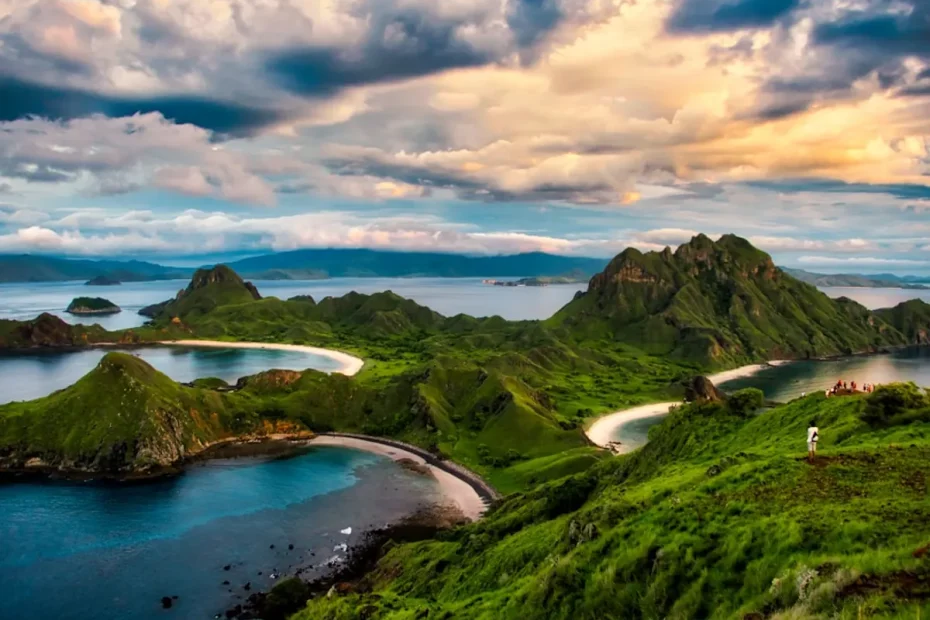
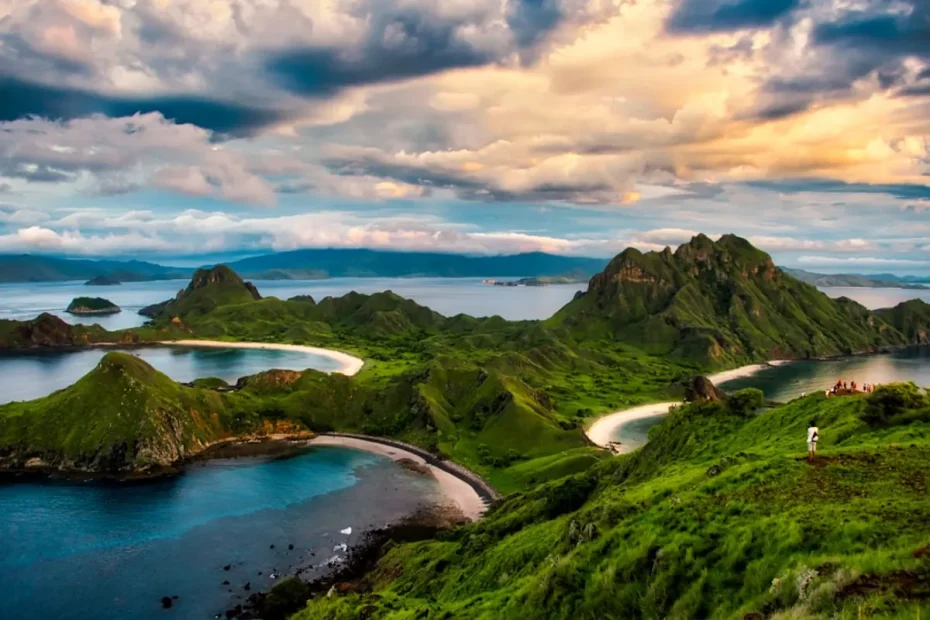
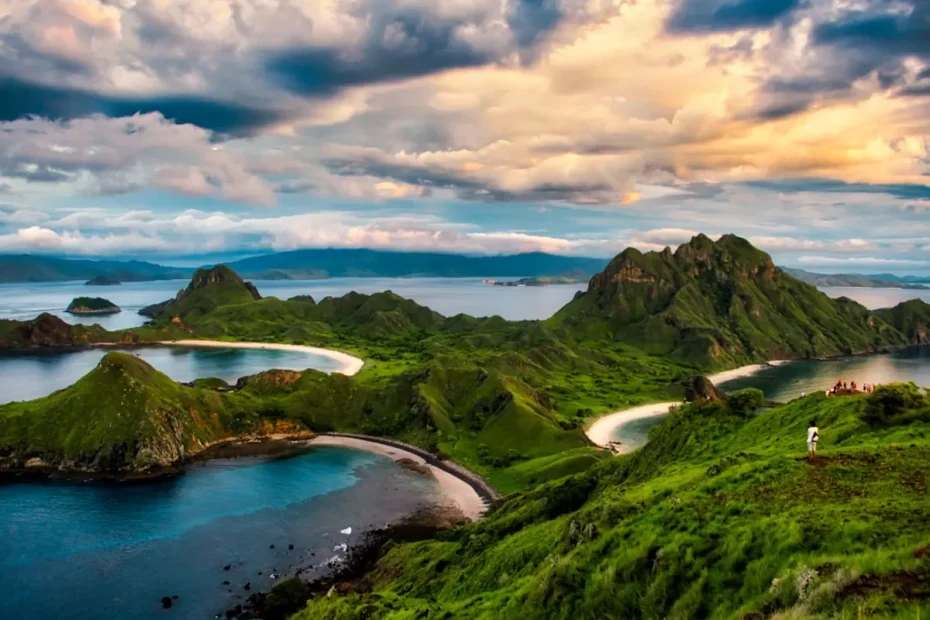
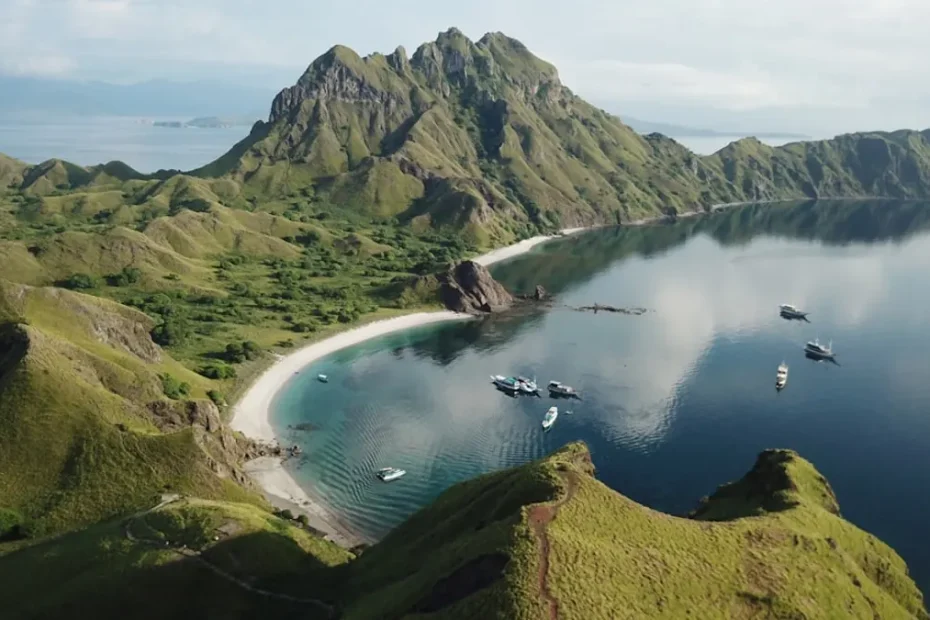
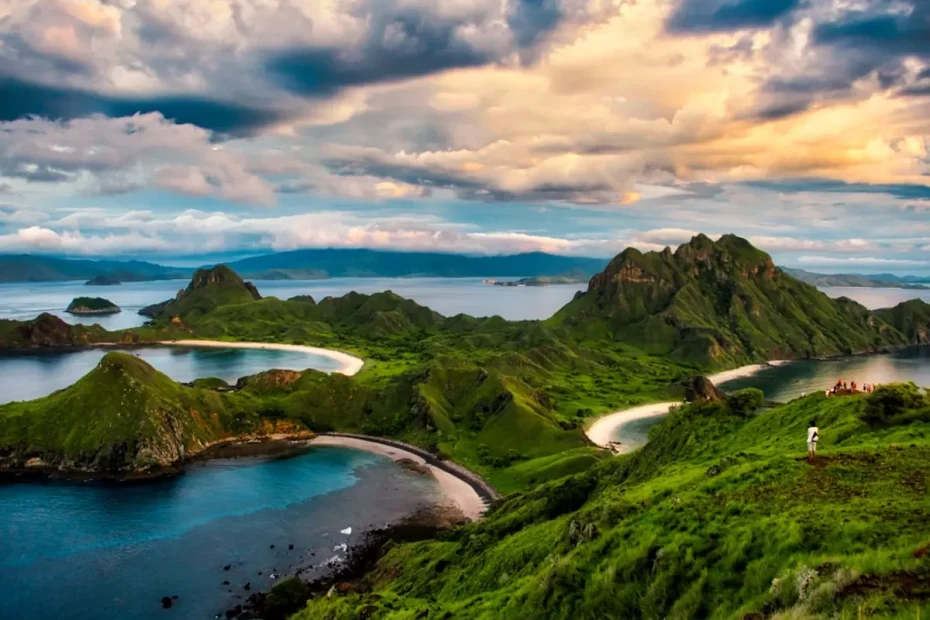
    Padar Island, known for its striking panoramic views, features a more challenging trek that rewards hikers with sweeping vistas of the surrounding archipelago. The trek to the viewpoint takes about 30-45 minutes and is well worth the effort.

    Diving and Snorkeling

    The underwater world around Komodo is rich in biodiversity, making it a top destination for diving and snorkeling. The dry season’s clear waters provide excellent visibility, often reaching up to 30 meters. Popular dive sites include:

    • Castle Rock: Known for strong currents and diverse marine life.
    • Crystal Rock: Offers vibrant coral reefs and large pelagic fish.
    • Komodo Island: Home to spectacular underwater topography.

    For snorkeling enthusiasts, sites like Pink Beach offer shallow waters teeming with colorful marine species. Many liveaboards cater to both divers and snorkelers, providing all-inclusive experiences that often include meals, gear rental, and guided excursions.

    Exploring Labuan Bajo

    The gateway to Komodo National Park, Labuan Bajo, is a charming fishing town with a growing number of accommodations, restaurants, and shops. During the dry season, the bustling atmosphere makes it an ideal place to start your adventure. Popular activities in Labuan Bajo include:

    • Island Hopping Tours: Explore nearby islands like Kanawa and Sebayur.
    • Local Cuisine: Sample fresh seafood at various eateries.
    • Sunset Cruises: Enjoy picturesque sunsets over the harbor.

    With a variety of accommodations ranging from budget hostels to luxury resorts, Labuan Bajo serves as a convenient base for your Komodo adventures. Prices tend to vary based on the season, with the dry months typically experiencing higher demand.

    Planning Your Trip

    When planning your trip during the dry season, consider the following:

    • Advance Bookings: Due to increased tourist activity, it’s advisable to book accommodations and tours in advance.
    • Pricing: Expect higher prices for tours and liveaboards during peak months (July-August).
    • Availability: Many operators offer discounts for early bookings or extended stays.

    For liveaboard trips, prices generally start around $300 for a 3-day experience, which includes diving, meals, and accommodations on board. Budget-friendly options are also available, with day trips starting at approximately $50-$100, depending on the activities included.

    Environmental Considerations

    As you explore Komodo National Park, it’s crucial to be mindful of the environment. The park is a UNESCO World Heritage Site, and conservation efforts are in place to protect its unique ecosystems.

    Visitors are encouraged to:

    • Follow park regulations and guidelines.
    • Avoid touching or disturbing marine life.
    • Dispose of waste responsibly to prevent pollution.

    By respecting the natural environment, you can contribute to the preservation of this remarkable destination for future generations.

    Why the Dry Season in Komodo is Ideal for Exploration

    Embarking on a journey to Komodo during the dry season offers unparalleled opportunities for exploration. The clear skies and calm seas create perfect conditions for trekking across the stunning landscapes of Rinca and Padar Islands. Additionally, the vibrant coral reefs are at their most breathtaking, providing divers with an unforgettable underwater experience. For those eager to immerse themselves in the natural beauty of Komodo National Park, now is the time to check availability and make your dream adventure a reality.

    Need more details for your trip? Discover the full pricing guide or book Komodo Itinerary | Komodoitinerary to ensure a well-planned visit.

  • Best time to visit Komodo

    The best time to visit Komodo is during the dry season, from April to December, when weather conditions are ideal for outdoor activities.

    • Optimal weather: minimal rainfall and comfortable temperatures.
    • Great for diving and snorkeling, with clear visibility.
    • Wildlife activity peaks, particularly for Komodo dragons.

    Understanding the Seasons in Komodo

    Komodo National Park experiences two distinct seasons: the dry season and the rainy season. The dry season generally spans from April to December, while the rainy season occurs from January to March. Each season offers unique advantages and disadvantages for travelers, making it essential to understand these differences when planning your visit.

    Dry Season: April to December

    The dry season is characterized by minimal rainfall, lower humidity, and pleasant temperatures ranging from 24°C to 32°C (75°F to 90°F). This period is particularly popular among tourists, as the weather conditions are perfect for various outdoor activities such as diving, snorkeling, and trekking.

    – **Diving and Snorkeling:** Visibility underwater is at its best during the dry season, often exceeding 30 meters (98 feet). This clarity allows divers and snorkelers to fully appreciate the vibrant marine life, including manta rays, turtles, and colorful coral reefs.
    – **Wildlife Watching:** The dry months are also the ideal time for spotting Komodo dragons on Rinca and Komodo islands. These reptiles are more active during this period, and guided tours provide an excellent opportunity to observe them in their natural habitat.
    – **Hiking Opportunities:** Trekking on Padar Island or through other scenic trails is much more enjoyable in dry conditions. The clear skies provide striking views of the surrounding islands and landscapes.

    Rainy Season: January to March

    The rainy season in Komodo brings increased moisture and occasional downpours, with temperatures remaining similar to the dry season. This period tends to see fewer tourists, which can be appealing for those seeking a more tranquil experience.

    – **Less Crowded:** With fewer visitors, accommodations and tours may be more readily available, and you might find better deals on liveaboards and boat trips.
    – **Flora and Fauna:** The landscape becomes lush and vibrant during the rainy months. Some wildlife, including birds and reptiles, may be more visible, providing unique opportunities for nature enthusiasts.
    – **Limited Activities:** However, it’s important to note that some activities may be limited due to weather conditions. Rough seas can affect boat trips, and visibility for diving may not be as clear as during the dry season.

    Pricing and Availability

    The cost of a trip to Komodo varies significantly depending on the season. During the dry season, prices for accommodations, tours, and liveaboards tend to be higher due to increased demand.

    – **Accommodations:** Expect to pay between $20 to $300 per night, depending on the type of lodging. Budget options include hostels and guesthouses, while luxury resorts can reach upwards of $300 per night.
    – **Tours and Liveaboards:** Day tours range from $40 to $150 per person, while liveaboard packages can vary from $300 to over $1,000 for multi-day trips. The best deals are often found during the rainy season when operators seek to increase occupancy.
    – **Diving and Snorkeling:** Dive trips usually cost between $50 to $150 per dive, depending on the dive shop and the package chosen.

    Special Events and Considerations

    Timing your visit to coincide with special events can enhance your experience in Komodo National Park.

    – **Komodo Dragon Nesting:** From late January to March, you may witness the nesting behavior of Komodo dragons, offering a unique perspective on their life cycle.
    – **Local Festivals:** The region also celebrates various local festivals throughout the year, such as the Flores Festival in June, showcasing the rich culture of the area.
    – **Weather Preparedness:** If traveling during the rainy season, prepare for sudden downpours and pack accordingly. A good waterproof jacket and quick-drying clothing are advisable.

    Travel Tips for Visiting Komodo

    To make the most out of your trip to Komodo, consider the following tips:

    – **Book in Advance:** Particularly during the dry season, booking accommodations and tours in advance ensures availability and better prices.
    – **Stay Hydrated:** The tropical climate can be humid, so stay hydrated, especially during outdoor activities.
    – **Respect Nature:** When trekking or diving, always follow local guidelines and respect wildlife. Avoid littering and adhere to safety instructions provided by guides.

    Optimal Seasons for Visiting Komodo

    For those seeking outdoor adventures and wildlife encounters, aim for the dry season from April to December. This period offers ideal conditions for diving and exploring. Conversely, if you prefer quieter trails and lush, vibrant scenery, consider visiting during the rainy season from January to March. To tailor your trip, compare packages that suit your interests and needs.

    Need help organizing your journey? Refer to the Komodo Itinerary or check availability for more details.

  • How to reach Labuan Bajo

    To reach Labuan Bajo, you can fly directly from major Indonesian cities or take a ferry from nearby islands. Once there, you can explore Komodo National Park and its attractions.

    – Direct flights from Bali and Jakarta are available.
    – Ferries connect Labuan Bajo to Sumbawa and Flores.
    – Local transport options include taxis and motorbike rentals.

    Understanding Labuan Bajo

    Labuan Bajo is the gateway to Komodo National Park, located on the western tip of Flores Island in Indonesia. It’s known for its proximity to the Komodo dragons, pristine beaches, and vibrant marine life. Travelers flock here for diving, snorkeling, and trekking opportunities in the surrounding area.

    Travel Options to Labuan Bajo

    By Air

    The most convenient way to reach Labuan Bajo is by air. Several airlines operate direct flights to Komodo Airport (LBJ) from major Indonesian cities. Here are the key routes:

    • Bali (DPS): Multiple flights daily, approximately 1 hour and 15 minutes.
    • Jakarta (CGK): Several flights daily, with a layover in Bali or Labuan Bajo, taking about 3-5 hours total.
    • Surabaya (SUB): Direct flights available, taking around 1 hour and 45 minutes.

    Tickets can range from IDR 700,000 to IDR 2,500,000 (approximately $47 to $167) depending on the season and how early you book. The dry season (April to December) is the peak travel time, so prices may be higher during these months.

    By Sea

    Ferry services also connect Labuan Bajo with various destinations. This option allows you to enjoy the scenic views of the surrounding islands. The key ferry routes include:

    • Sumbawa: Ferries operate from Sape to Labuan Bajo, taking about 5-6 hours.
    • Flores: Regular ferries run from other Flores ports like Bajawa and Maumere, with travel times varying between 5-12 hours.

    Ferry prices range from IDR 100,000 to IDR 300,000 (approximately $7 to $20), depending on the distance and the ferry class.

    Getting Around Labuan Bajo

    Once you arrive in Labuan Bajo, you’ll have several transportation options to explore the area:

    • Taxis: Widely available; negotiate the fare before your ride.
    • Motorbike Rentals: A popular option for independent travelers, costing around IDR 75,000 to IDR 150,000 ($5 to $10) per day.
    • Boat Rentals: Consider hiring a boat for a day trip to Komodo National Park, with prices starting from IDR 1,500,000 ($100) for a private boat.

    Ensure you have a local map or a navigation app to help you find your way around the town. Labuan Bajo is small and walkable, making it easy to explore on foot.

    Best Time to Visit

    The best time to visit Labuan Bajo and Komodo National Park is during the dry season, which runs from April to December. During these months, you can expect:

    • Sunny weather with minimal rainfall.
    • Optimal conditions for diving and snorkeling.
    • Higher chances of spotting Komodo dragons as they roam freely.

    From January to March, the rainy season brings more rainfall and occasional flooding, which may affect travel plans but can also lead to fewer crowds and lower prices.

    Accommodation Options

    Labuan Bajo offers various accommodation options to suit different budgets:

    • Boutique Hotels: Prices range from IDR 1,000,000 to IDR 3,000,000 ($67 to $200) per night. Popular choices include Plataran Komodo Beach Resort and La Prima Hotel.
    • Guesthouses: Affordable options are available for IDR 250,000 to IDR 600,000 ($17 to $40) per night. Consider staying at Bajo Komodo Eco Lodge or Hotel Flores.
    • Hostels: Dormitory-style accommodation starts at IDR 100,000 ($7) per night, with options like The Happy Hotel.

    Booking in advance is recommended during the high season to secure your preferred accommodation.

    Key Attractions in Labuan Bajo

    While Labuan Bajo serves as a launch point for Komodo National Park, there are several local attractions worth visiting:

    • Komodo National Park: A UNESCO World Heritage site famous for its Komodo dragons and diving spots.
    • Padar Island: Known for its picturesque viewpoints, popular among trekkers.
    • Rinca Island: Another location to see Komodo dragons in their natural habitat.
    • Pink Beach: One of the few pink beaches in the world, perfect for relaxation and snorkeling.

    These attractions can be reached by joining a tour or renting a boat for a day trip from Labuan Bajo.

    Travel Options for Reaching Labuan Bajo

    Travelers can conveniently reach Labuan Bajo via flights or ferries, with flights being the fastest option from major Indonesian cities. Ferries offer a more scenic journey, departing from Bali and Lombok. To maximize your experience, align your travel with the optimal visiting seasons and secure your accommodations early. For detailed itineraries and tips on exploring Komodo National Park, visit our resource on Komodo Itinerary.

    For planning specifics, you can see current rates or check availability.

  • How to reach Komodo National Park

    To reach Komodo National Park, fly into Labuan Bajo, the nearest town, then take a boat to the park. Here’s a brief overview of your options:
    • Fly directly to Labuan Bajo from major Indonesian cities.
    • Choose between public ferries or private charters for boat transfers.
    • Plan your visit based on the dry season (April to December) for optimal weather.

    Komodo National Park, a UNESCO World Heritage Site, is an essential destination for nature lovers and adventure seekers. Famous for its Komodo dragons, striking landscapes, and diverse marine life, reaching the park requires careful planning. Here’s how to navigate your journey to this remarkable destination.

    1. Getting to Labuan Bajo

    Your journey to Komodo National Park begins in Labuan Bajo, located on Flores Island. The most efficient way to reach Labuan Bajo is by air. Several airlines operate flights from major Indonesian cities, including:

    • Jakarta: Daily flights to Labuan Bajo take about 1 hour and 45 minutes.
    • Bali: Flights from Ngurah Rai International Airport (Denpasar) take approximately 1 hour and 30 minutes.
    • Surabaya: Direct flights are available, with a travel time of around 1 hour and 50 minutes.

    It’s advisable to book your flights in advance, especially during peak tourist seasons (July to August and December to January), when prices can increase significantly.

    2. Transportation Options from Labuan Bajo to Komodo National Park

    Once you’ve arrived in Labuan Bajo, the next step is traveling to Komodo National Park. There are several options for making this journey:

    2.1 Public Ferries

    For budget travelers, public ferries are an economical choice. These ferries operate from Labuan Bajo to various islands within the park, including Komodo, Rinca, and Padar. Here are some details:

    • Ferry Schedule: Ferries typically leave Labuan Bajo in the morning, with a return journey later in the day.
    • Duration: The journey to Komodo Island takes approximately 1.5 to 2 hours.
    • Cost: A one-way ticket costs around IDR 150,000 to IDR 200,000 (approximately $10 to $14).

    2.2 Private Boat Charters

    If you prefer more flexibility and comfort, consider hiring a private boat. This option allows you to create a personalized itinerary and explore at your own pace. Key information includes:

    • Cost: Charter prices vary widely based on the boat type and duration, ranging from IDR 2,500,000 to IDR 10,000,000 (approximately $170 to $680) for a day.
    • Duration: Trips can be customized, typically lasting from a few hours to an entire day.
    • Booking: Many operators are available in Labuan Bajo, and it’s beneficial to compare prices and reviews beforehand.

    2.3 Liveaboard Tours

    For an immersive experience, consider joining a liveaboard tour. These packages provide accommodation, meals, and guided excursions within the national park. Points to note are:

    • Duration: Liveaboard tours generally last 2 to 5 days, allowing extensive exploration of the park and its surroundings.
    • Cost: Prices vary depending on amenities and lengths, typically ranging from IDR 3,000,000 to IDR 10,000,000 (approximately $210 to $680) per person.
    • Booking: It’s advisable to book in advance, especially during peak seasons.

    3. What to Expect in Komodo National Park

    Once you arrive in Komodo National Park, you can engage in various activities, making the most of your trip:

    • Trekking on Rinca and Komodo Islands: Guided treks allow you to see Komodo dragons in their natural habitat. Entry fees are around IDR 150,000 (approximately $10).
    • Snorkeling and Diving: The park is renowned for its vibrant marine life, with numerous dive sites. Prices for guided diving trips start at IDR 600,000 (approximately $42) per dive.
    • Island Hopping: Explore Padar Island for striking viewpoints or visit Pink Beach for unique sands.

    4. Best Time to Visit Komodo National Park

    The best time to visit depends on the activities you plan to engage in:

    • Dry Season (April to December): Ideal for trekking, snorkeling, and diving, with less rainfall and more stable weather conditions.
    • Rainy Season (January to March): The park remains open, but heavy rains can affect visibility for diving and trekking conditions.

    During high season, accommodations and tours can book up quickly, so advance planning is essential.

    5. Legal Status and Regulations

    Komodo National Park is a protected area, and all visitors must adhere to local regulations to preserve its unique ecosystem. Entry permits are required and can be purchased at park entrances. It’s also vital to respect wildlife and follow guidelines while interacting with the natural environment.

    6. Tips for a Smooth Journey

    To ensure a successful trip to Komodo National Park, consider these practical tips:

    • Travel Insurance: Ensure you have travel insurance that covers adventure activities, including diving and trekking.
    • Cash and Currency: ATMs are available in Labuan Bajo, but it’s wise to carry cash for small purchases, especially on the islands.
    • Health Precautions: Be mindful of sun exposure and stay hydrated. Consult with a healthcare provider about vaccinations or medications for travel to Indonesia.

    In conclusion, reaching Komodo National Park involves a series of steps starting from your home country to Labuan Bajo and finally to the park itself. By understanding your travel options and planning accordingly, you can enjoy everything this remarkable destination offers. For more detailed itineraries and tips, visit our komodo Itinerary Pricing & Cost Guide page.

    Planning specifics? See Komodo Itinerary or Komodo Itinerary.

  • Labuan Bajo base guide

    Labuan Bajo serves as the gateway to Komodo National Park, offering diverse accommodation and activities. Key details include:

    • Access to Rinca and Padar Islands.
    • Variety of liveaboards ranging from budget to luxury.
    • Best visited during the dry season (April to December).

    Introduction to Labuan Bajo

    Labuan Bajo is a port town on the western tip of Flores in Indonesia. Known primarily as the entry point to Komodo National Park, it has transformed from a small fishing village to a bustling tourist hub. This guide aims to provide essential information for travelers planning to explore the rich biodiversity and striking landscapes of the Komodo region.

    Getting to Labuan Bajo

    Labuan Bajo is accessible by air, sea, and land:

    • By Air: The main airport is Komodo Airport (LBJ), with daily flights from Bali (around 1.5 hours). Airlines like Garuda Indonesia and Lion Air operate regular services.
    • By Sea: Ferries from Sumbawa and other parts of Flores are available, though schedules can vary.
    • By Land: Traveling overland from other parts of Flores is possible, but it may take longer due to the condition of the roads.

    Accommodation Options

    Labuan Bajo offers a range of accommodation options to suit different budgets:

    • Luxury Hotels: Options include The Jayakarta Suites Komodo Flores and Plataran Komodo Beach Resort, providing premium amenities and striking views.
    • Mid-Range: Hotels like La Prima Hotel and Meruorah Komodo Labuan Bajo offer comfortable stays at reasonable prices.
    • Budget Options: Numerous guesthouses and hostels cater to backpackers, with prices starting as low as $10 per night.

    Dining in Labuan Bajo

    The culinary scene in Labuan Bajo is diverse, featuring local Indonesian cuisine and international options:

    • Local Cuisine: Try the fresh seafood at local warungs (small eateries), such as Warung Mama and Sea View Restaurant.
    • International Options: For Western food, places like MadeInItaly and Bajo Taco are popular among travelers.
    • Cafés: Several cafés offer coffee and snacks, perfect for a break before embarking on your adventures.

    Activities in Labuan Bajo

    Labuan Bajo is not just a launch point for Komodo National Park; it offers various activities:

    • Island Hopping: Day trips to Rinca and Padar Islands are common, allowing you to see Komodo dragons and sweeping landscapes.
    • Diving and Snorkeling: The waters around Labuan Bajo are rich in marine life. Popular dive sites include Batu Bolong and Manta Point, with diving shops offering packages starting from around $75.
    • Trekking: Guided treks on Rinca and Padar Islands provide opportunities to see wildlife and enjoy panoramic views.

    Komodo National Park Overview

    Komodo National Park consists of three major islands: Komodo, Rinca, and Padar, along with numerous smaller islands. Established in 1980, the park is a UNESCO World Heritage site and is famous for its unique wildlife, including the Komodo dragon, the largest lizard species in the world. The park is also known for its excellent diving and snorkeling opportunities, with vibrant coral reefs and diverse marine life.

    Visiting Rinca and Padar Islands

    Rinca Island is known for its Komodo dragon population. Visitors can take guided tours to see these creatures in their natural habitat. Trekking options vary in length, with more strenuous hikes rewarding visitors with striking views. Padar Island, famous for its distinctive beaches and hiking trails, offers some of the best panoramic views in the region.

    • Rinca Island: Guided tours typically cost around $15-$20 per person, including park entrance fees.
    • Padar Island: A short hike to the viewpoint takes about 30-45 minutes.

    Best Time to Visit Labuan Bajo

    The best time to visit Labuan Bajo is during the dry season, which runs from April to December. During this time, the weather is generally sunny, and conditions for diving, snorkeling, and trekking are optimal. The rainy season, from January to March, can bring heavy rains and rough seas, potentially affecting boat trips.

    Transportation in Labuan Bajo

    Getting around Labuan Bajo is relatively easy. Options include:

    • Rental Scooters: Available for around $5-$10 per day, ideal for exploring the town and nearby beaches.
    • Taxi Services: Local taxis are available, though it’s advisable to negotiate fares in advance.
    • Tour Operators: Many offer packages that include transportation to and from the islands.

    Tips for Travelers

    Here are some tips to make your trip to Labuan Bajo more enjoyable:

    • Book in Advance: Especially during peak season, accommodations and tours can fill up quickly. Reserve your spots ahead of time.
    • Carry Cash: Not all places accept credit cards, so have cash on hand for small purchases.
    • Respect Nature: Follow guidelines when interacting with wildlife and while diving to preserve the natural environment.

    Choosing Accommodations in Labuan Bajo

    When visiting Labuan Bajo, selecting the right place to stay can enhance your experience. Options range from budget hostels to luxurious resorts, each offering distinct advantages. For instance, if you plan to dive at Batu Bolong, consider staying at a dive resort with easy access to the port. For further planning, check out our detailed guides on specific itineraries at explore the options.

    Planning specifics? See komodo Itinerary Pricing & Cost Guide or check availability.

  • Flores and Komodo travel guide

    The Flores and Komodo travel guide provides essential insights for exploring the striking landscapes and rich biodiversity of Komodo National Park and Flores Island.
    – Discover Rinca and Padar Islands for unique trekking adventures.
    – Find budget-friendly and luxury liveaboard options.
    – Get seasonal travel tips for optimal planning.

    Introduction

    Flores and Komodo offer travelers a blend of natural beauty, diverse marine life, and cultural experiences. This guide will cover key locations, activities, accommodation options, and travel tips to make the most of your visit.

    Understanding the Region

    Flores is part of Indonesia’s Lesser Sunda Islands, known for its volcanic landscapes and rich culture. Komodo National Park, which includes Komodo, Rinca, and Padar Islands, is famous for its unique wildlife, including the Komodo dragon. The park is a UNESCO World Heritage site and offers various outdoor activities, such as diving, snorkeling, and trekking.

    Getting There

    The most common starting point for exploring Flores and Komodo is Labuan Bajo, a small fishing town on Flores Island. Here are some transportation options:

    • Flights: Labuan Bajo has a domestic airport with flights from Bali, Jakarta, and other major Indonesian cities. Expect to pay between $50-$150 for a one-way ticket, depending on the season.
    • Ferries: Ferries connect Labuan Bajo to other islands in the region, including Sumba and Sumbawa, with prices ranging from $5 to $30.
    • Private Boats: For a more tailored experience, consider chartering a private boat to explore the islands at your own pace.

    Key Destinations

    Komodo Island

    Home to the Komodo dragon, Komodo Island offers unique treks through its rugged terrain. The island has several designated trekking routes, with varying difficulty levels. The entrance fee to Komodo National Park is approximately $10, plus a ranger fee of around $5 for guided treks.

    Rinca Island

    Rinca Island is another prime location to see Komodo dragons in their natural habitat. It is less crowded than Komodo Island, making it ideal for a more intimate experience. The island offers shorter trekking options, usually ranging from 1 to 3 hours. Entrance fees are similar to those of Komodo Island.

    Padar Island

    Padar Island is famous for its iconic landscapes and viewpoints. The island is an excellent spot for sunrise hikes, with trails leading to panoramic views of the surrounding islands and seas. The hike typically takes 1-2 hours, and there are no entrance fees, although tour prices vary.

    Flores Island

    Beyond Komodo National Park, Flores offers a range of attractions, including:

    • Lake Kelimutu: Known for its tri-colored lakes, it’s a must-visit for striking views and cultural significance. Entrance fee: about $2.
    • Traditional Villages: Visit the traditional villages of Bena and Wae Rebo to experience local culture and architecture.
    • Labuan Bajo: The gateway to Komodo, Labuan Bajo offers restaurants, shops, and accommodation options.

    Activities

    Diving and Snorkeling

    Komodo National Park is renowned for its underwater biodiversity. Popular dive spots include:

    • Castle Rock: Known for strong currents and vibrant marine life.
    • Crystal Rock: Offers clear waters and diverse coral reefs.
    • Siaba Island: Great for both diving and snorkeling, with a rich variety of fish.

    Diving packages generally range from $70 to $150 per dive, depending on the operator and location.

    Trekking

    Trekking is a popular activity on both Komodo and Rinca Islands. Trekking tours usually last between 1 to 3 hours. Guided tours are recommended for safety and to increase the chances of spotting Komodo dragons. Prices for guided treks typically range from $10 to $30 per person.

    Accommodation Options

    Whether you prefer luxury or budget-friendly options, Flores and Komodo have something for everyone.

    Luxury Liveaboards

    For a premium experience, consider a liveaboard trip. Luxury liveaboards offer comfortable accommodation, meals, and guided tours. Prices typically range from $300 to $600 per night, depending on the season and amenities offered.

    Budget-Friendly Boats

    If you’re looking for a more economical way to explore the islands, budget-friendly boats are available. These trips can cost as little as $50 for a day trip, including meals and snorkeling gear.

    Hotels and Guesthouses

    In Labuan Bajo, a range of hotels and guesthouses cater to different budgets. Prices typically start at $20 per night for budget accommodations and can go up to $200 for mid-range hotels.

    Best Time to Visit

    The best time to visit Flores and Komodo is during the dry season, from April to December. During this period, the weather is generally sunny, and sea conditions are favorable for diving and snorkeling. The rainy season runs from January to March, which may limit some activities due to heavy rainfall and rough seas.

    Travel Tips

    Book in Advance: Accommodation and tour availability can be limited, especially during peak season. Early booking is recommended.
    Cash is Key: Many places do not accept credit cards, so carry enough cash for daily expenses.
    Respect Local Customs: When visiting traditional villages, dress modestly and ask for permission before taking photos.

    Essential Tips for Planning Your Flores and Komodo Adventure

    When visiting Flores and Komodo, consider timing your trip during the dry season from April to December for optimal trekking and diving conditions. Book accommodations in advance, especially if you’re visiting during peak season, to secure the best options. For more detailed information on planning your journey, visit our our komodo Itinerary Pricing & Cost Guide guide resource.

    Looking for more planning specifics? See explore the options or book Komodo Itinerary | Komodoitinerary.

  • Flores and Komodo combined itinerary

    A Flores and Komodo itinerary offers an exciting combination of cultural experiences and natural beauty. Explore diverse landscapes, vibrant marine life, and unique wildlife. Key highlights include:
    • Rinca and Padar Islands for trekking and wildlife spotting.
    • Diving and snorkeling at famous sites like Pink Beach.
    • Exploring Flores’ cultural heritage and striking natural wonders.

    Overview of Flores and Komodo Itinerary

    A well-planned itinerary combining Flores and Komodo will allow you to experience the unique landscapes and cultures of both regions. This itinerary is structured for a 7-day trip, providing a good mix of adventure, relaxation, and exploration.

    Day 1: Arrival in Labuan Bajo

    Begin your journey in Labuan Bajo, the gateway to Komodo National Park. After arriving at Komodo Airport, transfer to your accommodation. Options range from budget hostels to luxury hotels. Spend the afternoon exploring the town, visiting local markets, and enjoying fresh seafood for dinner.

    Day 2: Komodo National Park – Rinca Island

    Start your day early with a boat trip to Rinca Island, known for its Komodo dragons. The park opens at 7 AM, so aim to arrive early to increase your chances of spotting wildlife. Join a guided trek to see the dragons in their natural habitat and learn about conservation efforts.

    – **Entry Fee**: Approximately $10 per person.
    – **Guided Trek Fee**: Around $25 per person.

    After the trek, enjoy a packed lunch on the boat before heading to the next destination.

    Day 3: Padar Island and Pink Beach

    Today, your adventure continues with a trip to Padar Island. Hike to the viewpoint for panoramic views of the island’s unique landscapes. The trek takes about 30-45 minutes and is moderately challenging.

    – **Hiking Difficulty**: Moderate
    – **Best Time to Visit**: Early morning for cooler temperatures and fewer crowds.

    After descending, relax at Pink Beach, famous for its pink sand. Snorkeling here is a must, with vibrant coral reefs and diverse marine life. Spend the day swimming and sunbathing before returning to Labuan Bajo.

    Day 4: Komodo Island

    On this day, visit Komodo Island, another prime location to see Komodo dragons. Similar to Rinca, guided treks are available. Expect to see not only dragons but also various bird species and other wildlife.

    – **Entry Fee**: Approximately $10 per person.
    – **Guided Trek Fee**: Around $30 per person.

    After the trek, enjoy some snorkeling at one of the nearby coral reefs, where you can see manta rays and colorful fish. Return to Labuan Bajo in the evening.

    Day 5: Travel to Flores – Bajawa

    After exploring Komodo National Park, it’s time to head to Flores. Take a morning flight from Labuan Bajo to Ende, then continue by road to Bajawa, a town known for its traditional villages and striking landscapes.

    – **Flight Duration**: Approximately 1 hour.
    – **Road Transfer**: About 2.5 hours.

    Visit traditional Ngada villages like Bena and Luba to learn about local culture and customs. Spend the night in Bajawa, where you can enjoy local cuisine.

    Day 6: Bajawa – Mount Inerie and Hot Springs

    Begin your day with a trek to Mount Inerie, the highest volcano in Flores. The hike takes around 4-6 hours, depending on your pace. The summit offers fantastic views of the surrounding area.

    – **Hiking Difficulty**: Challenging
    – **Best Time to Start**: Early morning to avoid heat.

    After the trek, unwind at the nearby hot springs for a relaxing experience. Return to Bajawa for the night and regroup for another adventure.

    Day 7: Return to Labuan Bajo and Departure

    On your final day, travel back to Labuan Bajo. Depending on your flight schedule, you may have time to explore more of the town or relax on the beaches nearby. Transfer to the airport for your departure flight.

    Travel Tips for Flores and Komodo Itinerary

    – **Best Time to Visit**: April to November (dry season). Expect rain from December to March.
    – **Transportation**: Local flights are available between Labuan Bajo and Ende. Road transfers are necessary for travel within Flores.
    – **Accommodation**: A range of options exists from budget lodgings to luxury resorts. Book in advance, especially during peak seasons.

    Discover the Unique Wildlife of Komodo National Park

    Encounter the legendary Komodo dragons in their natural habitat on Rinca or Komodo Island. These fascinating creatures are a must-see when visiting the region, and guided tours provide an opportunity for safe observation while supporting conservation efforts. For those interested in making the most of their visit, check out our booking details page for essential planning information.

    Experience the Vibrant Culture of Flores

    In Flores, immerse yourself in local traditions by visiting traditional villages like Wae Rebo, nestled in the lush mountains. This unique experience offers a glimpse into the daily lives of the Manggarai people. Be sure to explore our compare packages page to find the best deals tailored to your cultural journey through this fascinating island.

  • Island-hopping itinerary in Komodo

    An ideal Komodo island hopping itinerary should focus on the essential destinations like Rinca Island, Padar Island, and Flores. Visitors can enjoy diverse activities such as trekking, snorkeling, and diving. Here’s a quick overview to get started:
    – Explore Rinca Island and see Komodo dragons.
    – Trek to the viewpoint on Padar Island.
    – Experience vibrant marine life while snorkeling.

    Komodo National Park, located in Indonesia, encompasses a series of islands renowned for their unique wildlife, rich marine biodiversity, and striking landscapes. Planning a successful island-hopping itinerary in Komodo requires an understanding of key destinations, activities, and travel logistics. Below is a detailed guide to help you navigate your adventure in this remarkable region.

    Day 1: Arrival in Labuan Bajo

    Your adventure begins in Labuan Bajo, the gateway to Komodo National Park. Most travelers arrive by air, with flights connecting from major cities like Bali and Jakarta. Upon arrival, take the time to explore Labuan Bajo’s bustling harbor, where you can find local restaurants and shops.

    **Accommodation Options:**
    – **Luxury:** Plataran Komodo Beach Resort
    – **Mid-range:** La Prima Hotel
    – **Budget:** Bajo Komodo Eco Lodge

    As you acclimate, consider booking a liveaboard or day tour for your island-hopping experience. Popular options include:

    • Luxury Liveaboards: Starting from $400 per night
    • Budget Boats: Around $50-$100 per person per day
    • Day Tours: Approximately $70-$150 per person

    Day 2: Rinca Island

    On your second day, set sail for Rinca Island, home to the famous Komodo dragons. The island is less crowded than Komodo Island and offers excellent trekking opportunities. Expect to spend around 2-3 hours hiking through the park’s dry forests and savannahs, guided by rangers who can provide insights into the ecosystem and wildlife.

    **Trekking Options:**
    – Short Trek (1 hour): A brief but informative walk to see Komodo dragons in their natural habitat.
    – Medium Trek (2-3 hours): A more immersive experience that includes diverse landscapes and wildlife sightings.

    After your trek, relax and enjoy a packed lunch before heading to the nearby pink beach for some snorkeling. The vibrant coral reefs and marine life make this an ideal spot for underwater exploration.

    Day 3: Padar Island

    Padar Island is the next stop on your itinerary. Famous for its iconic viewpoints, it’s a must-visit for photography enthusiasts. The hike to the top takes about 30-45 minutes and rewards you with panoramic views of the surrounding islands and turquoise waters.

    **Important Tips:**
    – Start the hike early in the morning to avoid the heat and crowds.
    – Bring plenty of water and wear sturdy shoes.

    After soaking in the views, head down to one of the island’s beaches for snorkeling. Padar offers unique marine life, including vibrant fish and corals. Spend a few hours here before returning to your boat for an overnight trip to your next destination.

    Day 4: Komodo Island

    On the fourth day, visit Komodo Island, where you can see the legendary Komodo dragons up close. The entrance fee for Komodo National Park is approximately $15, and hiring a local guide is mandatory for safety reasons.

    **Activities on Komodo Island:**
    – **Trekking:** Follow established trails to observe Komodo dragons in their natural habitat.
    – **Snorkeling:** Explore nearby reefs with a diverse range of marine life.

    After your visit, consider spending the afternoon at a nearby beach, such as Kanawa Island, which is known for its clear waters and excellent snorkeling spots.

    Day 5: Flores Island

    For the final day of your itinerary, head to Flores Island. Known for its diverse culture and striking landscapes, Flores offers a different perspective from the other islands. Consider visiting Labuan Bajo’s local markets or the nearby Cunca Wulang Waterfall for a refreshing experience.

    **Additional Activities:**
    – **Visit traditional villages:** Engage with local communities and learn about their customs.
    – **Explore the Wae Rebo Village:** A unique cultural experience located in the hills of Flores.

    Travel Logistics and Best Times to Visit

    The best time to visit Komodo National Park is during the dry season, which lasts from April to December. During this time, the weather is generally more pleasant, and marine visibility is optimal for snorkeling and diving. The rainy season (January to March) can bring heavy rainfall, affecting travel plans.

    **Travel Costs:**
    – **Airfare:** Round-trip flights from Bali to Labuan Bajo can range from $100 to $300.
    – **Park Entrance Fees:** Expect to pay around $15-$20 for park entry, plus additional fees for guided treks.

    Tips for an Enjoyable Island-Hopping Experience

    • Book your tours and accommodations in advance, especially during peak season.
    • Pack essentials such as sunscreen, a hat, swimwear, and comfortable hiking shoes.
    • Be respectful of local wildlife and follow all guidelines provided by your guides.

    As you plan your Komodo island hopping itinerary, consider the various options available for tours and accommodations. Whether you prefer a luxury liveaboard or a budget-friendly day trip, there’s something for every traveler. For current rates and booking information, see current rates. Enjoy your adventure in one of Indonesia’s most remarkable national parks!

    Planning specifics? See read the full guide or book Komodo Itinerary | Komodoitinerary.

  • Komodo itinerary from Labuan Bajo

    To explore Komodo National Park from Labuan Bajo, plan a 3 to 5-day itinerary focusing on Rinca and Padar Islands, diving, and trekking. Key highlights include:
    • Luxury liveaboards and budget-friendly options available.
    • Best travel time is during the dry season (April to December).
    • Prices range from $100 to $300 per day, depending on the level of service.

    Overview of Komodo National Park

    Komodo National Park, a UNESCO World Heritage Site, is famous for its unique biodiversity, including the Komodo dragon. It consists of three main islands: Komodo, Rinca, and Padar. Labuan Bajo serves as the gateway to this natural wonder, with numerous tour operators offering various itineraries to explore the park’s striking landscapes and marine life.

    How to Get to Labuan Bajo

    Labuan Bajo is accessible by air from major Indonesian cities such as Bali and Jakarta, with flights taking approximately 1.5 to 2 hours. Once in Labuan Bajo, you’ll find various accommodations, ranging from budget guesthouses to luxury resorts. It’s advisable to book your stay in advance, especially during the peak tourist season.

    Choosing Your Itinerary: Duration and Highlights

    Your Komodo itinerary from Labuan Bajo can be tailored to your interests, but most travelers opt for a 3 to 5-day trip. Here’s a suggested itinerary breakdown:

    Day 1: Labuan Bajo to Rinca Island

    • Morning: Depart from Labuan Bajo to Rinca Island on a shared or private boat.
    • Afternoon: Arrive in Rinca Island, where you can begin a guided trek to spot Komodo dragons and other wildlife.
    • Evening: Enjoy a sunset view on the island before returning to your boat or overnight accommodation.

    Day 2: Rinca Island to Komodo Island

    • Morning: After breakfast, sail to Komodo Island to explore its unique landscapes.
    • Afternoon: Engage in another guided trek to observe the dragons in their natural habitat, followed by a visit to Pink Beach for relaxation and snorkeling.
    • Evening: Return to Labuan Bajo or overnight on a liveaboard.

    Day 3: Padar Island and Snorkeling

    • Morning: Early morning departure to Padar Island, renowned for its panoramic views.
    • Afternoon: Hike to the viewpoint for a striking vista of the island’s unique beaches and landscapes. Afterward, enjoy snorkeling at nearby spots like Manta Point or Taka Makassar.
    • Evening: Return to Labuan Bajo for dinner at a local restaurant.

    Day 4: Diving and Exploration

    • Morning: Consider a dive trip in the waters around Komodo National Park, known for vibrant coral reefs and diverse marine life.
    • Afternoon: Explore additional snorkeling sites or visit other nearby islands.
    • Evening: Enjoy a farewell dinner, sampling local cuisine.

    Day 5: Return and Departure

    • Morning: Free time for last-minute shopping in Labuan Bajo.
    • Afternoon: Depart Labuan Bajo by flight back to Bali or other destinations.

    Types of Tours Available

    When planning your Komodo itinerary from Labuan Bajo, you have several options for tours:

    • Luxury Liveaboards: Ideal for those seeking a comfortable experience with top-notch amenities, typically priced between $250 to $500 per day per person.
    • Budget Boats: More affordable options range from $100 to $150 per day, often offering basic accommodations and communal dining.
    • Day Tours: For short trips, day tours can cost around $50 to $100, covering essential sites like Rinca and Komodo Islands.

    Diving and Snorkeling Options

    Komodo National Park is a diver’s sanctuary. With over 1000 species of fish and numerous coral reefs, the diving experience here is unparalleled. Popular dive sites include:

    • Manta Point: Known for the majestic manta rays.
    • Castle Rock: Famous for its strong currents and vibrant marine life.
    • Crystal Rock: Offers striking visibility and diverse underwater species.

    Best Time to Visit Komodo National Park

    The optimal time to visit is during the dry season, which runs from April to December. During this period, the weather is more stable, allowing for better trekking and diving conditions. The rainy season, from January to March, can make some areas inaccessible due to flooding and strong winds.

    Pricing and Availability

    Prices can vary significantly based on the type of tour, time of year, and level of service. Here’s a quick pricing guide:

    • Day tours: $50 – $100
    • Budget boats: $100 – $150 per day
    • Luxury liveaboards: $250 – $500 per day

    Booking in advance is recommended, especially during peak season, to secure your preferred itinerary and accommodations.

    Legal Considerations

    When visiting Komodo National Park, it’s essential to respect local regulations, including conservation rules. The Komodo dragon is a protected species, and any interaction should be done under the guidance of trained park rangers. Always adhere to park guidelines to ensure the preservation of this unique environment.

    Choosing Your Komodo Adventure: Luxury Liveaboard vs. Budget Boat

    Opting for a luxury liveaboard can provide you with an all-inclusive experience where comfort meets adventure. These trips often include gourmet meals and knowledgeable guides who can enrich your understanding of Komodo National Park. For those traveling on a budget, a more affordable boat option can still offer breathtaking views and encounters with Komodo dragons and vibrant marine life. For more detailed insights and personalized recommendations, visit our our komodo Itinerary Pricing & Cost Guide guide resource.

    If you’re ironing out the details, check see current rates or read the full guide for comprehensive planning tips.

  • 7-day Komodo itinerary

    A 7-day Komodo itinerary offers a comprehensive exploration of Komodo National Park, Rinca Island, and Padar Island. Experience diverse marine life, trek with Komodo dragons, and enjoy pristine beaches. Here’s a structured plan for your week-long adventure.

    Day 1: Arrival in Labuan Bajo

    Start your journey by flying into Labuan Bajo, the gateway to Komodo National Park. Upon arrival, check into your accommodation. Options range from budget hostels to luxury hotels. Spend your first day exploring the town and preparing for your adventure.

    • Recommended hotels: Bajo Komodo Eco Lodge (mid-range), Plataran Komodo Beach Resort (luxury).
    • Local dining: Try fresh seafood at local restaurants like Warung Mama.
    • Evening activities: Visit the local market for souvenirs and experience the vibrant atmosphere.

    Day 2: Rinca Island Trekking

    On your second day, set off early for Rinca Island, known for its population of Komodo dragons. A guided trekking tour will allow you to see these unique creatures in their natural habitat.

    • Travel time: Approximately 2 hours by boat from Labuan Bajo.
    • Trekking duration: 2-3 hours, guided group tours are common.
    • Entry fee: Around IDR 150,000 (approximately $10) for park entrance.

    After trekking, enjoy a packed lunch on the island. Spend the afternoon snorkeling in the nearby waters, where you can observe vibrant coral reefs and marine life.

    Day 3: Padar Island Exploration

    Day three is dedicated to Padar Island. Depart early to catch the sunrise and hike to the viewpoint, which offers panoramic views of the island’s unique landscape.

    • Hiking duration: Approximately 1 hour to the viewpoint.
    • Best time to visit: Early morning for fewer crowds and better light for photography.
    • Pack a breakfast to enjoy at the top.

    After descending, spend the rest of the day relaxing on the island’s beaches or snorkeling in the crystal-clear waters. Return to Labuan Bajo in the evening.

    Day 4: Diving Adventures

    Dedicate your fourth day to diving in Komodo National Park. Several dive shops in Labuan Bajo offer day trips to popular dive sites like Batu Bolong and Manta Point.

    • Cost of diving trip: Ranges from $100 to $150, including equipment rental.
    • Experience level: Trips cater to both beginners and experienced divers.
    • Duration: Most trips last from 8 AM to 4 PM.

    Expect to see manta rays, turtles, and a variety of fish species. After your dive, enjoy a well-deserved dinner back in Labuan Bajo.

    Day 5: Beach Day and Relaxation

    After several action-packed days, take a break and enjoy a relaxing beach day. Head to Kanawa Island, a short boat ride from Labuan Bajo.

    • Activities: Snorkeling, sunbathing, or simply enjoying the beach.
    • Entry fee: Approximately IDR 100,000 (about $7) for access.
    • Facilities: Limited, so bring your own food and drinks.

    Spend the day unwinding and absorbing the natural beauty. Return to Labuan Bajo in the evening for dinner.

    Day 6: Cultural Experience in Flores

    On day six, venture to Flores Island for a cultural experience. You can visit traditional villages like Wae Rebo or explore the scenic landscapes of the island.

    • Travel time: Approximately 2-3 hours by car to Wae Rebo.
    • Tour options: Consider hiring a local guide for a more immersive experience.
    • Cost: Day tours typically range from $50 to $100.

    Engage with the local culture, learn about traditional weaving, and enjoy the landscapes. Return to Labuan Bajo for your final night.

    Day 7: Departure

    On your last day, take some time to visit any spots you may have missed in Labuan Bajo. Consider a morning snorkeling trip to the nearby islands or relax at a café.

    • Check-out time: Ensure you check out of your accommodation before heading to the airport.
    • Last-minute shopping: Visit local shops for souvenirs.
    • Travel tip: Arrive at the airport at least 1.5 hours before your flight.

    Reflect on your week-long adventure in Komodo, filled with unique experiences, and prepare for your departure.

    Practical Tips for Your Komodo Itinerary

    • Best time to visit: The dry season from April to December is ideal for clear skies and calm waters.
    • Currency: The Indonesian Rupiah (IDR) is used; ensure you have cash as card acceptance varies.
    • Health and safety: Ensure you have travel insurance and check for any necessary vaccinations prior to travel.

    For more detailed planning and seasonal guides, visit our komodo Itinerary Pricing & Cost Guide resource page. This will help you tailor your itinerary based on the time of year you plan to visit.

    Following this 7-day Komodo itinerary will ensure you experience the best of what this remarkable region has to offer. Whether you’re trekking, diving, or simply relaxing on the beach, Komodo National Park has something for every traveler. Prepare for an singular adventure!

    Planning specifics? See Komodo Itinerary or our book Komodo Itinerary | Komodoitinerary guide.

💬