– April to June offers ideal weather for diving and trekking.
– July to August sees peak tourist activity and higher prices.
– September to December is optimal for avoiding crowds.
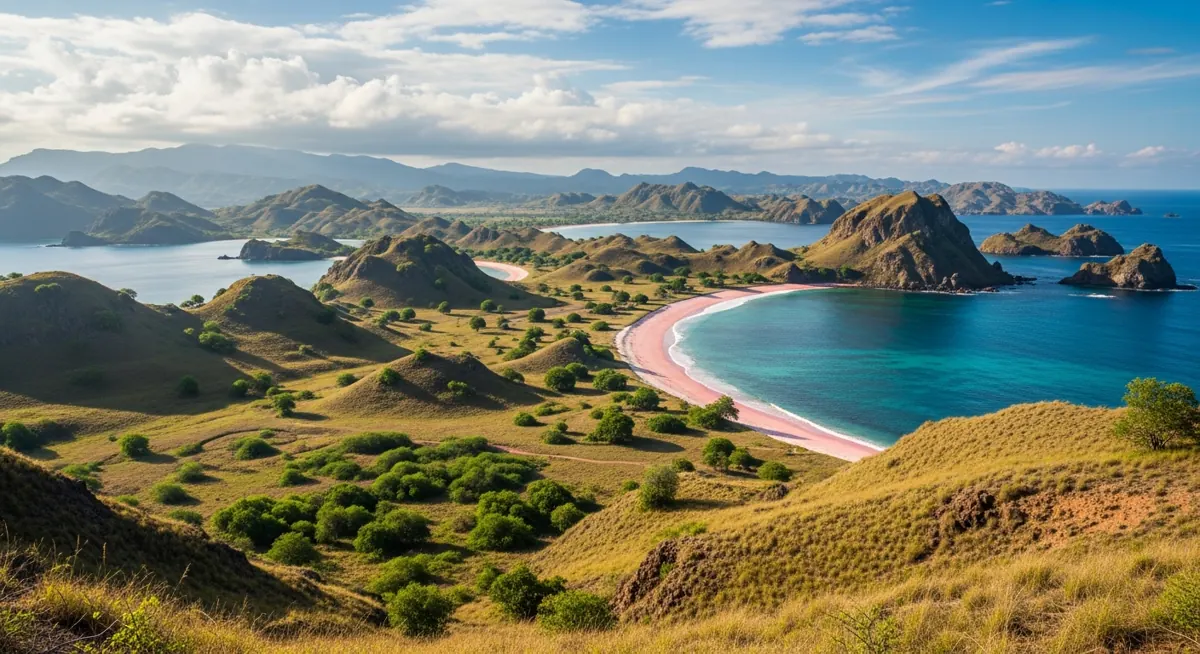
As the sun casts its golden hue over the turquoise waters of Komodo National Park, the air buzzes with the anticipation of adventure. Each season here paints a different picture, offering travelers a unique glimpse into this Indonesian wonder.
The Dry Season: April to December
The dry season, stretching from April to December, is when Komodo National Park truly comes alive. During these months, rainfall is minimal, and the skies remain clear, offering perfect conditions for outdoor activities. April to June is particularly favored by divers, as the water temperatures hover between 27°C and 30°C, creating ideal conditions for underwater exploration. According to the Indonesian Meteorological Agency, this period also marks the start of manta ray sightings near Komodo Island, making it a diver’s dream.
From July to August, the park experiences its peak tourist season. This period coincides with the European and Australian summer holidays, leading to an influx of visitors. Accommodation prices, including those for luxury liveaboards, can increase by up to 30% during these months. However, the vibrant energy and bustling atmosphere often compensate for the cost. Despite the crowds, the Komodo dragons of Rinca Island remain a captivating draw, with guided tours operating daily.
The Shoulder Months: March and December
March and December serve as transitional months in Komodo National Park, offering a blend of weather patterns from both the dry and rainy seasons. March marks the tail end of the rainy season with occasional showers, but it’s an opportune time for budget travelers. Prices for accommodations in Labuan Bajo, including budget-friendly boats, can be up to 20% lower compared to peak times.
December, on the other hand, heralds the beginning of the rainy season, yet the early part of the month still enjoys relatively dry conditions. This period is ideal for those looking to avoid the crowds and enjoy a serene trekking experience on Padar Island. With fewer tourists, photographers find December perfect for capturing the dramatic landscapes that define the region. The iconic view from Padar Island’s summit, with its panoramic views of the surrounding islands and turquoise bays, is particularly striking during this time.
The Rainy Season: January to March
The rainy season in Komodo National Park runs from January to March, characterized by frequent showers and high humidity levels. Despite the rain, this period holds its own allure. The landscape transforms into lush greenery, offering a different perspective of the park’s natural beauty. However, activities like diving and snorkeling can be challenging due to reduced visibility and choppy waters.
Visitors during these months should be prepared for weather-induced changes in their itinerary. The park’s terrain can become slippery, especially during treks, but experienced guides ensure safety is prioritized. Budget-conscious travelers will find this period more affordable, with significant discounts on accommodations and tours. For those eager to experience the park’s tranquil side, the rainy season presents a unique opportunity.
Optimal Diving Windows
Diving is a major highlight of any visit to Komodo National Park, with its rich marine biodiversity attracting enthusiasts from around the world. The best diving conditions are typically found from April to June and from September to November. During these months, the water visibility often extends up to 30 meters, revealing vibrant coral reefs and abundant marine life.
Certifications from PADI (Professional Association of Diving Instructors) indicate that the park’s dive sites, such as Batu Bolong and Manta Point, are among the top-rated globally. Divers can expect encounters with species like the striking manta rays and the elusive whale shark. The Komodo Itinerary team can arrange personalized dive tours to ensure a memorable underwater experience. Dive trips often range from half-day excursions to full liveaboard experiences, with some boats offering up to 14 deluxe cabins and full-board meals.
Seasonal Wildlife Encounters
Komodo National Park is renowned not just for its landscapes but also for its diverse wildlife. The iconic Komodo dragons are a year-round presence on Rinca and Komodo Islands. However, the dry season is considered the best time to witness these creatures in their natural habitat. During this period, the dragons are more active, basking in the sun and hunting for prey.
Birdwatchers will find the months from September to December particularly rewarding. Migratory birds, including the yellow-crested cockatoo, frequent the park, adding to the region’s avian diversity. According to UNESCO, Komodo National Park is a designated World Heritage Site, reflecting its ecological significance and the variety of species it supports.
Exploring the Islands by Boat
A journey through Komodo National Park is incomplete without a boat tour, which allows travelers to explore the park’s numerous islands and remote beaches. Boats range from traditional phinisi vessels to modern yachts, catering to different preferences and budgets. A typical boat tour might visit famous sites like Pink Beach, known for its unique sand coloration due to crushed coral, and the vibrant snorkeling spot of Kanawa Island.
For those seeking an extended adventure, multi-day liveaboard trips offer an immersive experience, allowing travelers to wake up to the sound of the sea and dive into the underwater wonders of sites like Crystal Rock and Castle Rock. These trips often include all meals, diving equipment, and transfers, providing a hassle-free way to explore the park.
Comparing Diving Sites: Batu Bolong vs. Manta Point
Choosing between diving sites in Komodo can be challenging due to their unique offerings. Batu Bolong, located centrally in the park, is renowned for its vibrant coral gardens and diverse marine life, including schools of fish and occasional sightings of reef sharks. Its strong currents, however, mean it is more suited to experienced divers.
Manta Point, on the other hand, is famed for encounters with manta rays, especially between April and June. The site is relatively shallow, making it accessible for divers of all levels. Here, divers can float alongside these gentle giants, observing their graceful movements. Both sites offer unique underwater experiences, with Batu Bolong being the choice for those seeking vibrant coral ecosystems, while Manta Point is ideal for big marine life enthusiasts.
Planning Your Visit with Komodo Itinerary
Deciding when to visit Komodo National Park ultimately depends on your interests and priorities. For those seeking optimal diving conditions, the dry season from April to June and September to November is ideal. Adventurers aiming to explore the park’s islands with fewer crowds might prefer the shoulder months of March and early December. Meanwhile, the rainy season offers a more intimate and budget-friendly experience.
Regardless of when you choose to visit, Komodo Itinerary is committed to crafting the perfect adventure tailored to your preferences. Explore our homepage for detailed itineraries and expert advice on making the most of your journey to this remarkable region. Whether it’s trekking, diving, or simply soaking in the natural beauty, Komodo National Park promises a fulfilling experience. For those inspired by the rugged beauty of Komodo, consider extending your journey to the nearby Komodo Itinerary destinations for a deeper exploration of the Indonesian archipelago.
Visitor Considerations and Park Fees
When planning a visit to Komodo National Park, it’s essential to consider the entrance fees and permits required. As of 2023, the standard entrance fee for international visitors is approximately $10 USD per day, with additional charges for activities like diving and trekking. These fees contribute to the conservation efforts and maintenance of the park’s facilities.
Visitors should also be mindful of the park’s regulations, which are designed to protect the unique ecosystem and wildlife. This includes restrictions on fishing, waste disposal, and interactions with wildlife. The park authorities work diligently to ensure that Komodo National Park remains a sustainable travel destination for future generations.
For more information on planning your trip, visit indonesia.travel and consult the latest guidelines from the park authorities. If you’re a seasoned explorer or a first-time visitor, Komodo National Park offers an range of experiences that cater to all interests.
Planning specifics? See full pricing guide or booking details.